

Weight budget
Reinforcement needs a defined role without adding unnecessary mass.
Lightweight Reinforced Textiles
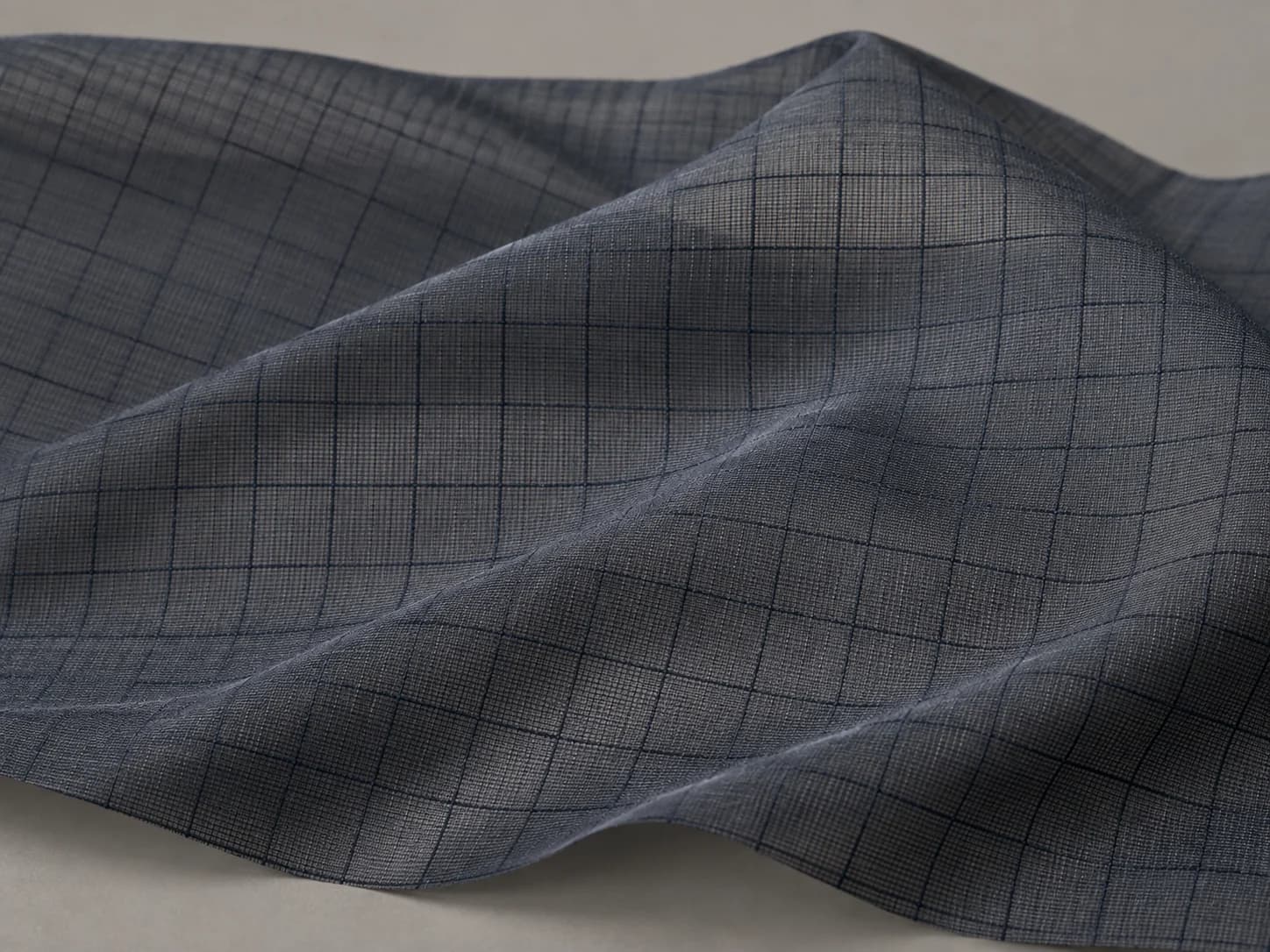
Develop lightweight reinforcement for outdoor shells, pack fabrics, gridstop structures and composite substrates, with added weight and fabric durability evaluated together.
Application Overview
Weight, tear response and seam durability need to be compared in a usable fabric, not inferred from fiber strength.
01 / Application Challenge
The brief is to improve tear resistance, seam performance and durability while controlling added weight and preserving the handling of a lightweight textile.
Reinforcement needs a defined role without adding unnecessary mass.
Review edge damage, seam loading and tear propagation in the actual construction.
Coating, lamination and finishing can change the final fabric response.
02 / Textile Solution Direction
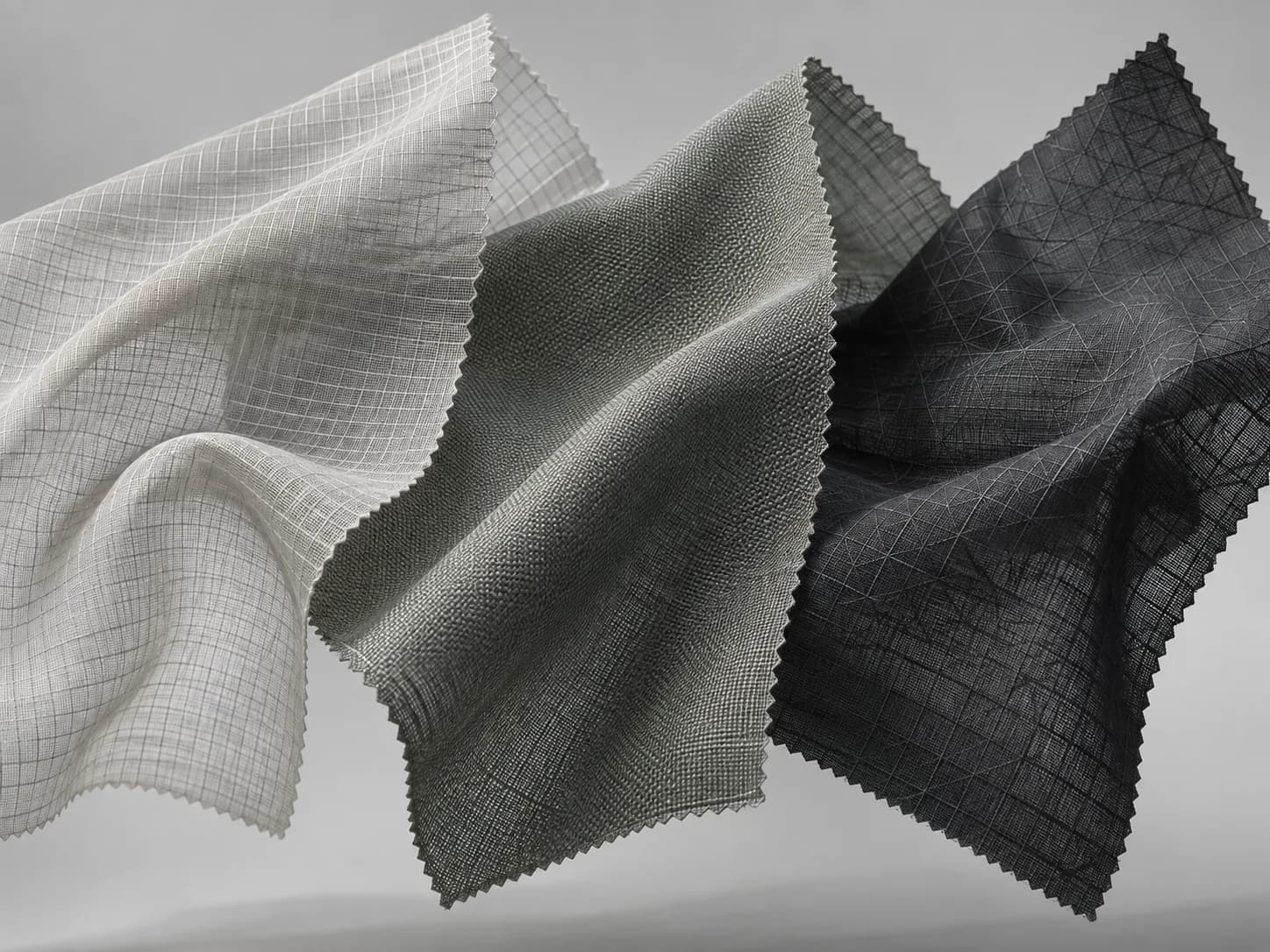
Place reinforcement at selected intervals or zones and compare the resulting fabric against a relevant baseline. Gridstop spacing and construction are defined within the project.
Coordinate reinforcement placement with the load path and failure point.
Consider base yarn, covering material and reinforcement proportion together.
Use the actual fabric sample and intended finishing route to review the direction.
03
Fine base constructions with reinforcement placed for a defined purpose.
Interval reinforcement developed around the fabric and weight target.
Lightweight textile layers evaluated with the planned coating or lamination.
04
Lightweight shell reinforcement and selected wear zones.
Pack panels and bag fabrics with a controlled weight budget.
Development for lightweight panels with project-specific weathering evaluation.
Textile supports for subsequent finishing and assembly.
05
Fabric performance is confirmed under the intended construction, finishing and use conditions.
Measure the finished construction against the unreinforced baseline.
Compare directions and representative damage conditions.
Review the chosen seam, thread and interface.
Inspect surface loops, yarn displacement and damage.
Compare before and after coating, lamination or finishing.
Agree a like-for-like baseline and include finishing, usable width and cost in the comparison.
Select structures around the textile and application target; confirm the configuration through sample development.
Composite direction for selected lightweight reinforcement roles.
Composite direction aligned with the base textile and processing route.
For selected zones where a defined elastic role is needed.
07 / Development Path
Define the current fabric, use context, failure point and evaluation target.
Select core, covering and reinforcement roles around the processing route.
Prepare sample yarn against the agreed development brief.
Coordinate knitting or weaving with long-term partner mills.
Compare actual fabric and representative components with the baseline; review adjustments and acceptance criteria.
After sample approval, Zhengnan coordinates quotation, order handling and project-based supply.
Yarn-to-Fabric
Zhengnan develops and manufactures the custom yarn, then can coordinate fabric trials with long-term partner mills. Customer communication, quotation, order handling and fabric supply remain with Zhengnan.
Share your current fabric, construction, target weight, application and the problem you want to improve. We can evaluate suitable yarn and textile development directions.
Discuss Your Application