

Intended Role
Define what UHMWPE is expected to contribute to the proposed composite structure without assuming a guaranteed result.
Materials Library / High-Performance Polyethylene
A material-focused explanation of UHMWPE's role, companion materials and validation boundaries in composite-yarn development.
UHMWPE composite-yarn material guide
Request Technical Discussion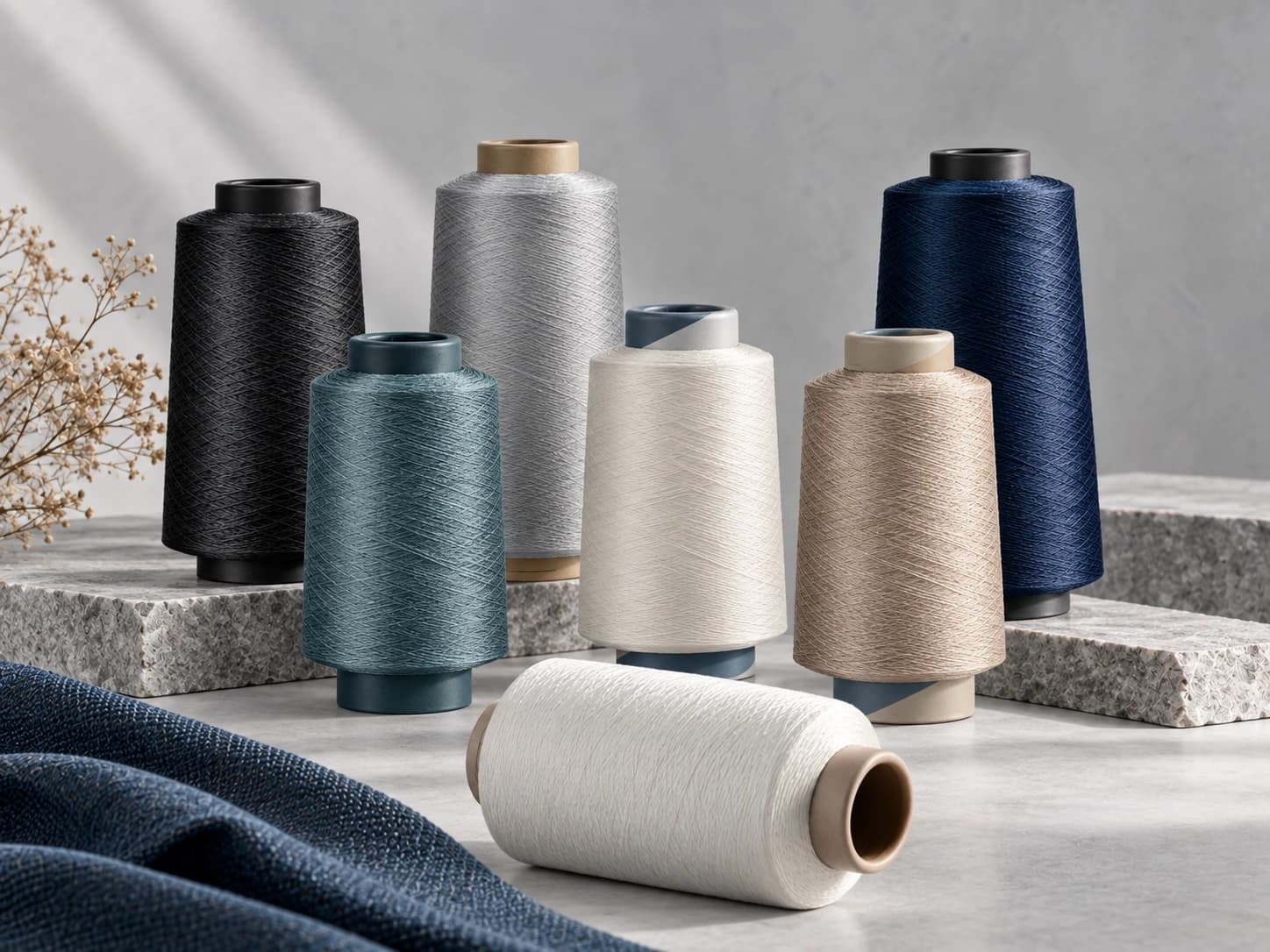
01 / Definition
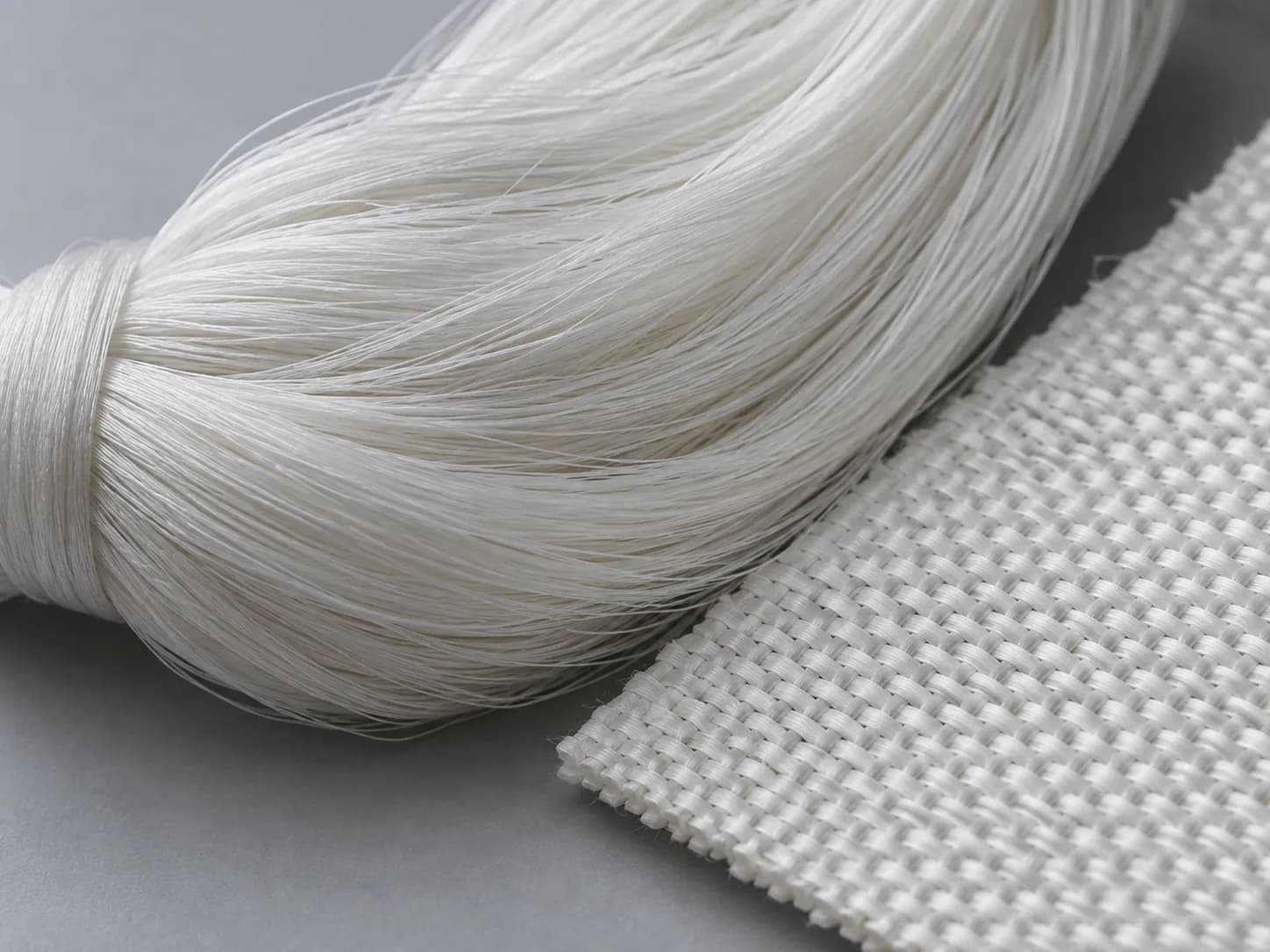
UHMWPE is the abbreviation for ultra-high-molecular-weight polyethylene. NIST recognizes UHMWPE as a distinct polyethylene material in its reference-material program.
In a Zhengnan composite yarn, UHMWPE is combined with a selected companion material and engineered around the downstream textile construction.
02 / Structure Relevance
In a composite yarn, the UHMWPE material name alone does not define the finished structure or application result. The development discussion must identify its role, the companion material, the downstream process and the method used to evaluate the sample.
Zhengnan uses this material view to clarify UHMWPE's structural role before moving into composite-yarn sampling and production.
03 / Engineering Questions
Define what UHMWPE is expected to contribute to the proposed composite structure without assuming a guaranteed result.
Select polyester, nylon or elastane according to the application and process question.
Describe the textile construction, processing sequence and relevant operating conditions.
Identify the sample, method, conditions and acceptance criteria before making a product claim.
04 / Combination
Zhengnan develops customized UHMWPE composite yarns with polyester, nylon and elastane for different functional textile requirements.
These are combination directions rather than fixed recipes. Ratios, layer structures, process settings and performance outcomes remain project-specific and confidential.
05 / Structure Directions
Polyester can be combined with UHMWPE for application-specific yarn and processing requirements.
A nylon combination is evaluated in the complete yarn structure and intended processing conditions.
Elastane combinations require a defined structural role and evaluation of the project sample.
06 / Application
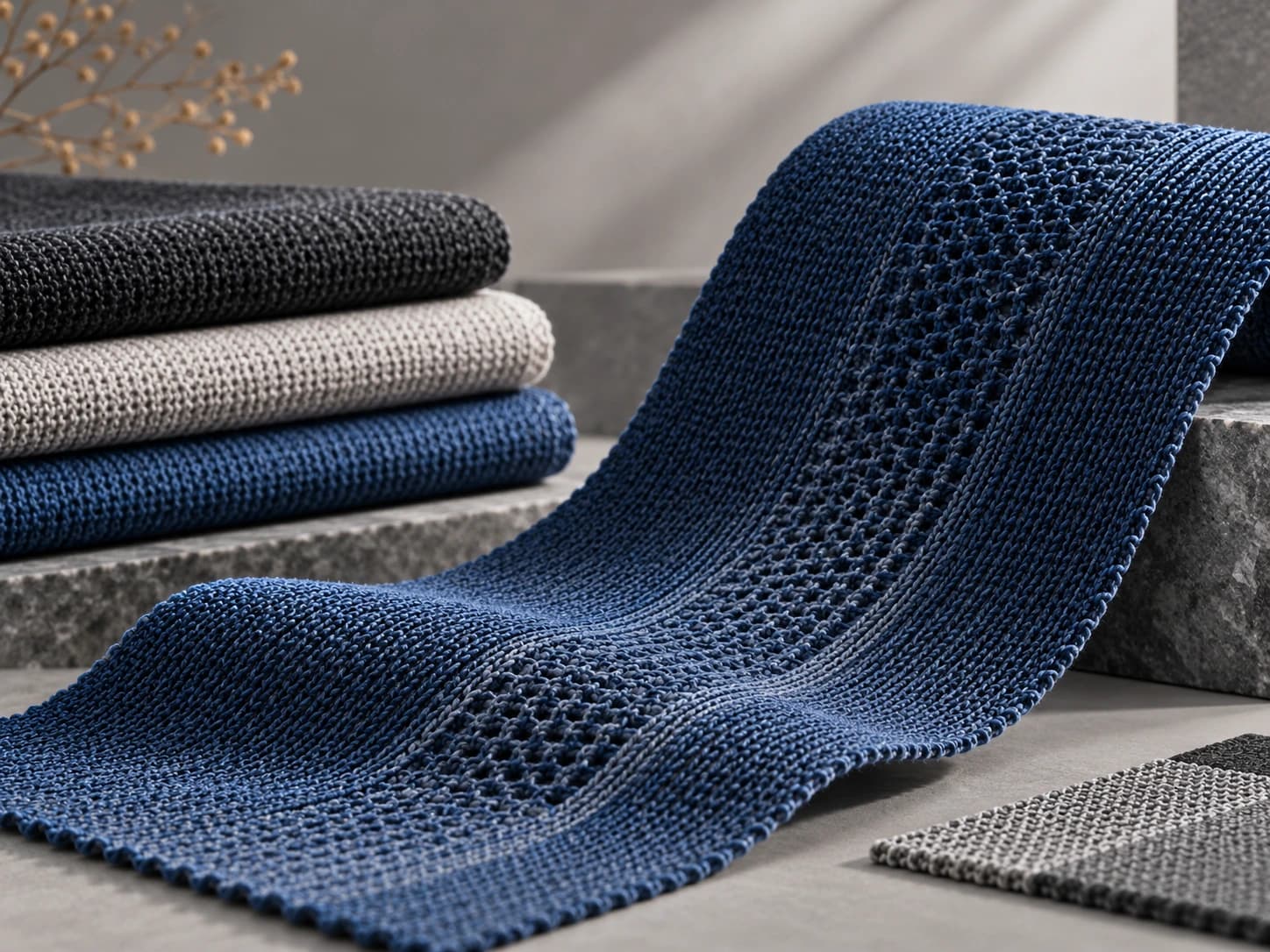
UHMWPE composite structures support lightweight outdoor textiles, technical knitting, footwear and other high-performance textile development directions.
07 / Development Factors
08 / Zhengnan Capability
Zhengnan's customized UHMWPE composite yarn solutions are commercially and production proven.
Material combination and sample development can be reviewed after the application, processing and validation requirements are supplied.
Explore UHMWPE Composite Yarn SolutionsZhengnan Samples
Double-Covered Yarn
Cotton-Covered Yarn
Fabric Sample
Fabric Sample
Fabric Sample
Fabric Sample
Fabric Sample
Yarn-to-Fabric
Custom yarn is only the starting point. Zhengnan can coordinate fabric sampling and production through long-term partner mills, then quote and supply the resulting fabric directly.
Explore Yarn-to-Fabric DevelopmentShare the intended application, current material, processing route, preferred companion material and required tests or performance targets.
Request Technical Discussion