

Regenerated Cellulose
Rayon or viscose, cupro and lyocell can be discussed as distinct development directions according to application and processing needs.
Capabilities / Development System
Zhengnan connects application requirements, material combination, yarn-structure development, sample validation and customized production in one practical development path.
Submit a Development Brief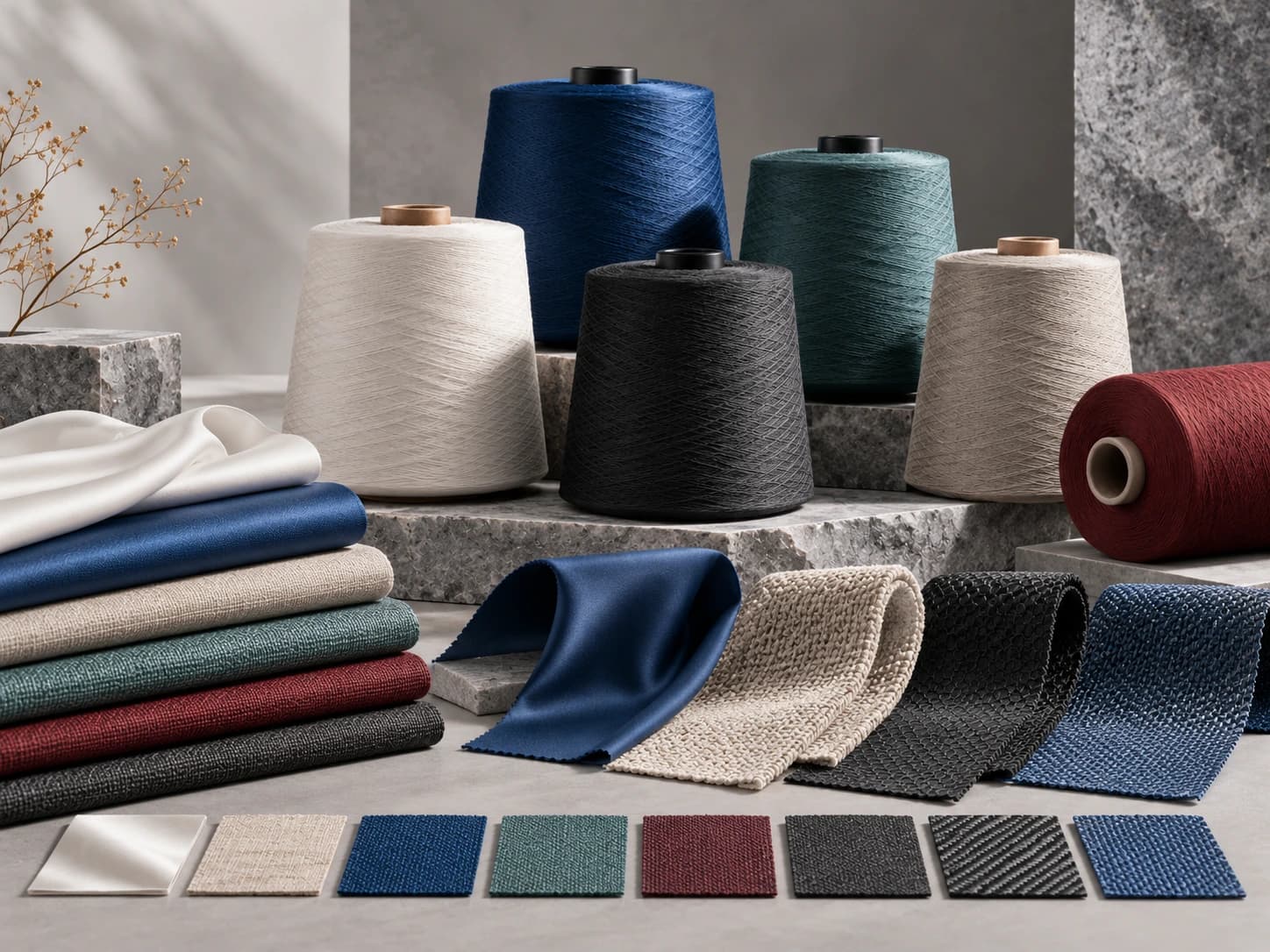
01 / Capability System
Each capability answers a different part of the same development question: defining a structure that can be sampled, evaluated and manufactured for a specific textile requirement.
Clarify the textile use, downstream process, current material, intended direction and practical constraints.
Evaluate how core, covering and companion materials can take different roles within one yarn structure.
Translate material roles into an appropriate covered-yarn or composite-yarn architecture for review.
Develop samples around defined processing and application questions.
Connect an approved development direction to covered-yarn production and project-specific quality management.
02 / Materials
Zhengnan works across rayon or viscose, acetate, cupro, lyocell, silk, linen, wool, high-count cotton, nylon, polyester, elastane, UHMWPE and conductive materials.
Material roles are developed together with the yarn architecture and downstream process, creating a practical route from combination idea to production.
Rayon or viscose, cupro and lyocell can be discussed as distinct development directions according to application and processing needs.
Acetate remains an independent material direction whose handling, contact and finishing context must be evaluated specifically.
Natural-fiber covered-yarn discussions begin with the role of the natural material and the required textile outcome.
These materials may serve core, covering or companion roles depending on the intended structure and process.
Commercial custom directions include UHMWPE with polyester, nylon or elastane.
03 / Process
Define what the textile needs to do and how it will be processed.
Assign the intended roles of the selected fiber materials.
Establish a yarn-architecture direction for sampling.
Evaluate the sample against agreed questions and constraints.
Support manufacturing only after the development direction is reviewed.
04 / Manufacturing
Zhengnan's development work is supported by more than 15 years of covered-yarn manufacturing experience, an approximately 10,000 m² facility in Zhuji and a team of more than 70 employees.
The dedicated Manufacturing page presents the factory, equipment and quality-management evidence behind this development system.
Explore Manufacturing Capability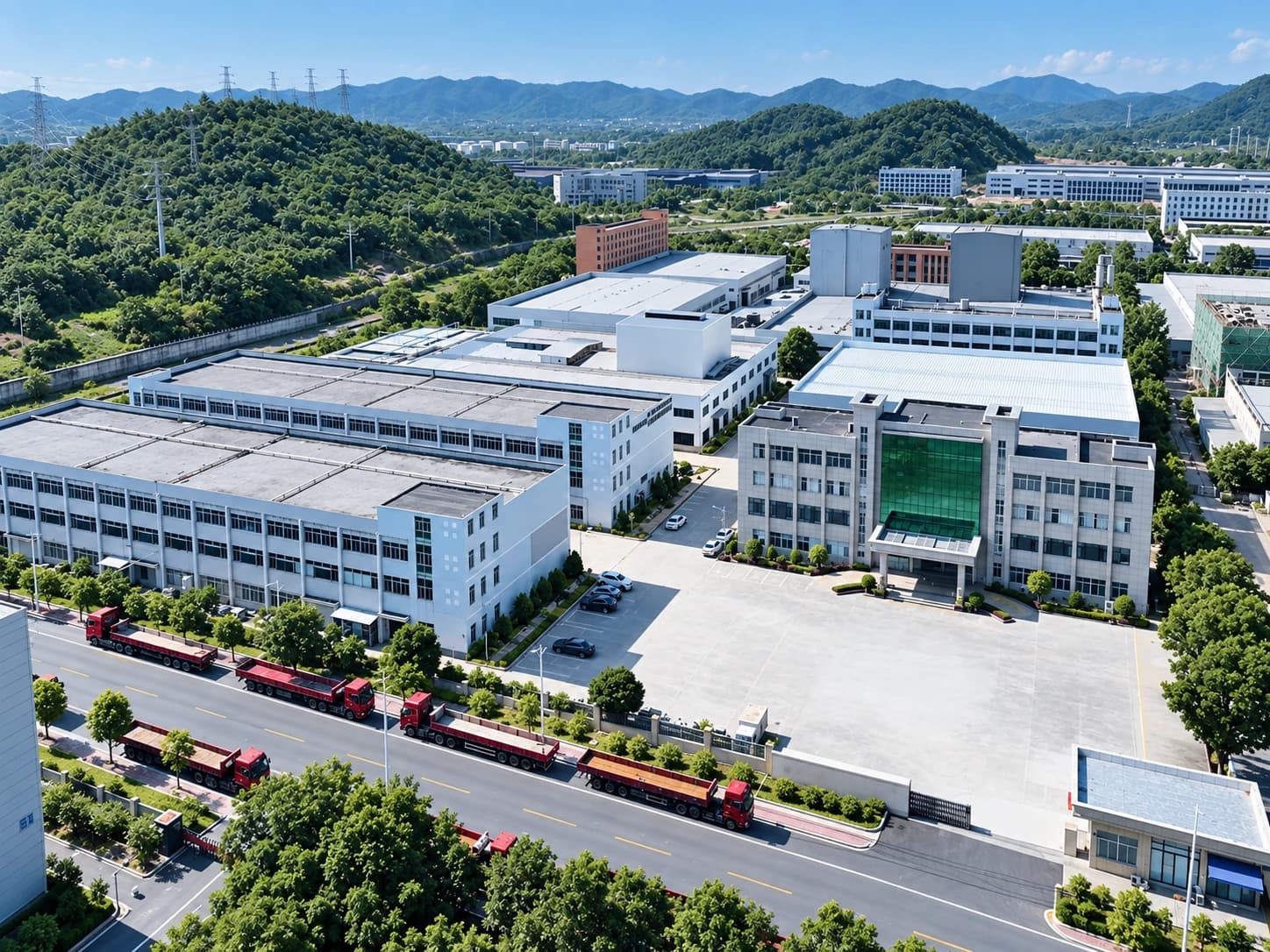
05 / Project Collaboration
Technical discussion begins with the information needed to define the material challenge, supported by confidential project communication.
06 / Explore
Explore how individual fiber materials can contribute to customized yarn structures.
Explore ↗02Explore customized covered yarn and UHMWPE composite-yarn development routes.
Explore ↗03Start with an outdoor, lightweight, fashion or advanced-fabric requirement.
Explore ↗04Explore technical definitions, material selection and certificate guidance.
Explore ↗07 / Yarn-to-Fabric
Building on its own yarn development and manufacturing, Zhengnan can coordinate fabric trials and production with long-term partner mills while managing quotation, order handling and supply.
Share the current material, processing route, development goal and validation needs so the next technical step can be defined.
Submit a Development Brief